Sleep-deprived, holding a bottle, and wondering if your newborn needs another ounce? Welcome to the club. Almost every new parent reaches this stage where they stare at the bottle and silently ask, “Am I feeding enough or too much?” I remember helping a friend during those exhausting newborn weeks, and the feeding questions seemed endless.
Formula feeding can feel surprisingly complicated when you’re running on three hours of sleep and cold coffee. The good news? You don’t need to guess. A reliable newborn formula feeding chart can take much of the stress out of feeding time. This guide explains exactly how much formula newborns typically need, how feeding amounts change by age, and what hunger cues you should watch for.
Why a Newborn Formula Feeding Chart Matters
Newborns grow incredibly fast. Their tiny bodies need consistent nutrition to support healthy development, weight gain, and energy levels. Many parents assume they should simply feed whenever the baby cries, but hunger isn’t always the reason behind every cry.
A newborn formula feeding chart provides a practical starting point. It helps you understand average feeding amounts while allowing flexibility for your baby’s unique needs. The goal isn’t perfection. The goal is confidence. When you know what feeding ranges look like, you can stop second-guessing every bottle. Ever notice how parenting advice often feels like solving a puzzle without the picture on the box? A feeding chart gives you that missing picture. It won’t replace your pediatrician, but it will make daily feeding decisions much easier.
Newborn Formula Feeding Chart by Age
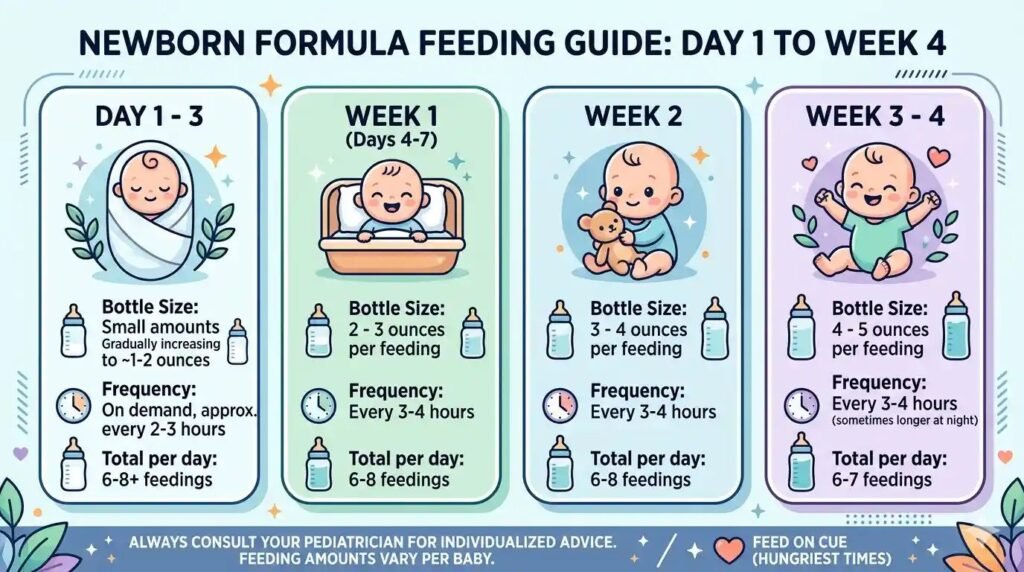
Formula Feeding Chart for the First Month
The first month brings rapid changes. Your baby’s stomach grows quickly, which means feeding volumes increase almost every week.
| Baby Age | Formula Per Feeding | Feedings Per Day |
|---|---|---|
| Day 1 | 0.5 to 1 ounce | 8-12 |
| Day 2 | 1 to 2 ounces | 8-12 |
| Day 3 to Day 7 | 1 to 2 ounces | 8-12 |
| Week 2 | 2 to 3 ounces | 8-10 |
| Week 3 | 2 to 4 ounces | 7-9 |
| Week 4 | 3 to 4 ounces | 6-8 |
These amounts represent averages, not strict rules. Some babies naturally eat slightly more, while others prefer smaller, more frequent feedings. Watch your baby, not just the bottle.
Understanding Newborn Stomach Size
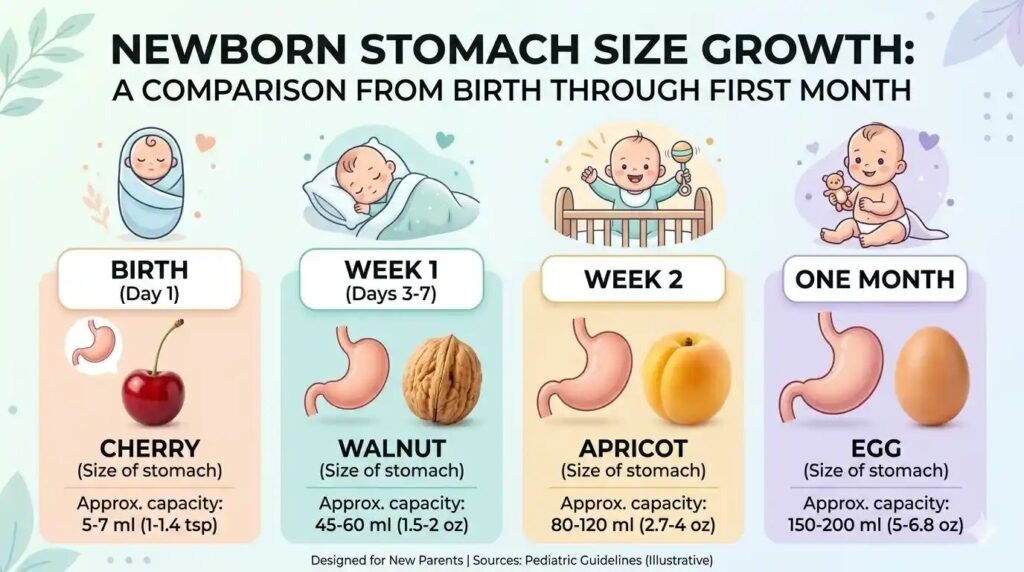
Many parents worry because feeding amounts seem tiny during the first few days. That’s completely normal.
A newborn’s stomach starts incredibly small:
- Day 1: Cherry-sized
- Day 3: Walnut-sized
- Week 1: Apricot-sized
- Month 1: Egg-sized
This growth explains why feeding needs increase rapidly. Your newborn doesn’t need large bottles immediately after birth. Their stomach simply cannot handle them. Small, frequent feedings work best during the early days. Isn’t it amazing how such a tiny human can completely reorganize your entire schedule?
How Much Formula Does a Newborn Need Per Day?
Daily Formula Intake Guidelines
Most pediatricians recommend calculating formula needs based on body weight.
A common guideline suggests:
2.5 ounces of formula per pound of body weight each day
For example:
- 6-pound baby = approximately 15 ounces daily
- 7-pound baby = approximately 17.5 ounces daily
- 8-pound baby = approximately 20 ounces daily
This formula provides a helpful estimate. Babies don’t carry calculators, though. Some days they eat slightly more, while other days they eat slightly less. Focus on consistent growth and diaper output rather than obsessing over every ounce.
Signs Your Baby Is Hungry

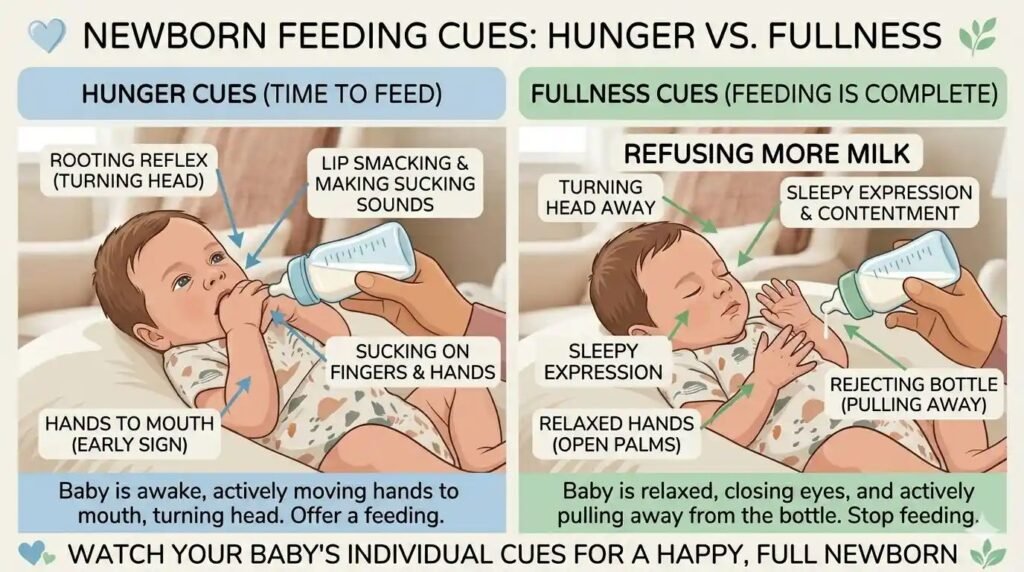
Learning hunger cues helps prevent overfeeding and underfeeding.
Watch for these common signals:
- Rooting toward touch
- Sucking on hands
- Lip smacking
- Opening mouth repeatedly
- Increased alertness
- Moving head side to side
Many parents wait until crying starts. Crying usually appears as a late hunger cue. Feeding before that stage often creates a calmer experience for everyone involved. Recognizing early hunger signs makes formula feeding much easier.
Signs Your Baby Is Full
Don’t Force the Last Ounce
Parents often feel tempted to finish every bottle. I understand the urge. Formula isn’t cheap, and nobody enjoys wasting it.
However, babies communicate fullness clearly:
- Turning away from the bottle
- Closing lips tightly
- Falling asleep
- Slower sucking
- Pushing the nipple out
- Relaxing hands and body
Respecting fullness cues helps prevent overfeeding. Think about it. Adults stop eating when they feel full. Babies deserve the same opportunity.
Common Formula Feeding Mistakes
Every parent makes mistakes. That’s part of the journey.
Some of the most common formula feeding errors include:
- Forcing bottle completion
- Misreading comfort needs as hunger
- Ignoring hunger cues
- Using incorrect formula measurements
- Feeding too quickly
- Comparing feeding habits with other babies
Comparison creates unnecessary stress. One baby happily drinks four ounces every feeding. Another baby prefers smaller amounts more frequently. Both can thrive perfectly well.
Formula Feeding Schedule for Newborns
Sample Daily Feeding Schedule
A typical newborn formula feeding schedule may look like this:
- 6:00 AM – 2 to 3 ounces
- 9:00 AM – 2 to 3 ounces
- 12:00 PM – 2 to 3 ounces
- 3:00 PM – 2 to 3 ounces
- 6:00 PM – 2 to 3 ounces
- 9:00 PM – 2 to 3 ounces
- 12:00 AM – 2 to 3 ounces
- 3:00 AM – 2 to 3 ounces
This schedule serves as an example only. Babies often create their own plans. Apparently newborns never received the memo about sticking to schedules.
Growth Spurts and Formula Feeding
Growth spurts can make feeding patterns seem unpredictable.
Many newborns experience growth spurts around:
- 7 to 10 days
- 2 to 3 weeks
- 4 to 6 weeks
During these periods, babies often:
- Eat more frequently
- Demand larger bottles
- Wake more often
- Seem constantly hungry
Don’t panic when feeding habits suddenly change. Temporary increases in appetite often signal healthy growth. Ever feel like your baby suddenly transformed into a tiny competitive eater overnight? Growth spurts often create that impression.
How to Know Your Baby Gets Enough Formula
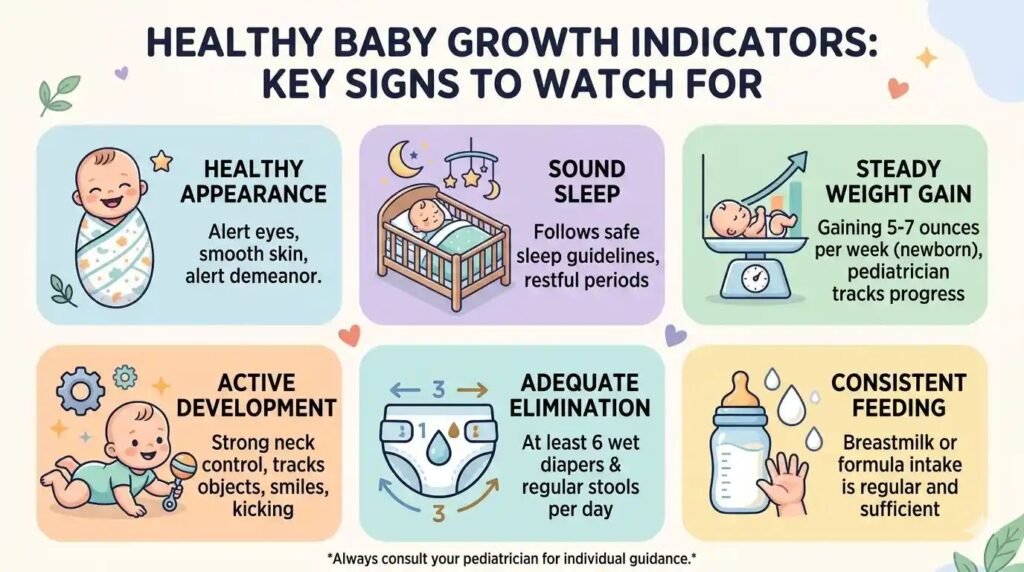
Parents frequently ask the same question: “How can I tell if my baby is eating enough?”
Fortunately, babies provide several clues.
Look for:
- Consistent weight gain
- Six or more wet diapers daily
- Regular bowel movements
- Content behavior after feedings
- Healthy skin tone
- Alert periods during the day
If these signs appear consistently, your baby likely receives adequate nutrition. Weight gain remains the most reliable indicator of successful feeding.
Formula Feeding vs Breastfeeding: Feeding Differences
Understanding Volume Differences
Formula-fed babies sometimes consume larger volumes than breastfed babies.
Several factors explain this:
- Formula digests more slowly
- Formula remains in the stomach longer
- Feeding intervals may stretch further apart
This difference doesn’t make one method better than the other. Both feeding methods can support healthy growth. Parents often waste energy comparing feeding approaches when they could focus on what works best for their family. IMO, a fed, growing, loved baby deserves the spotlight.
Tips for Successful Formula Feeding
A few simple habits can make feeding time smoother.
Best Practices for Every Bottle
- Hold your baby upright
- Burp frequently
- Follow mixing instructions exactly
- Clean bottles thoroughly
- Watch feeding cues carefully
- Discard unfinished formula after recommended time limits
Consistency creates confidence. Small daily habits often produce the biggest benefits. Parents don’t need complicated systems. They need practical routines that actually work.
When to Call Your Pediatrician
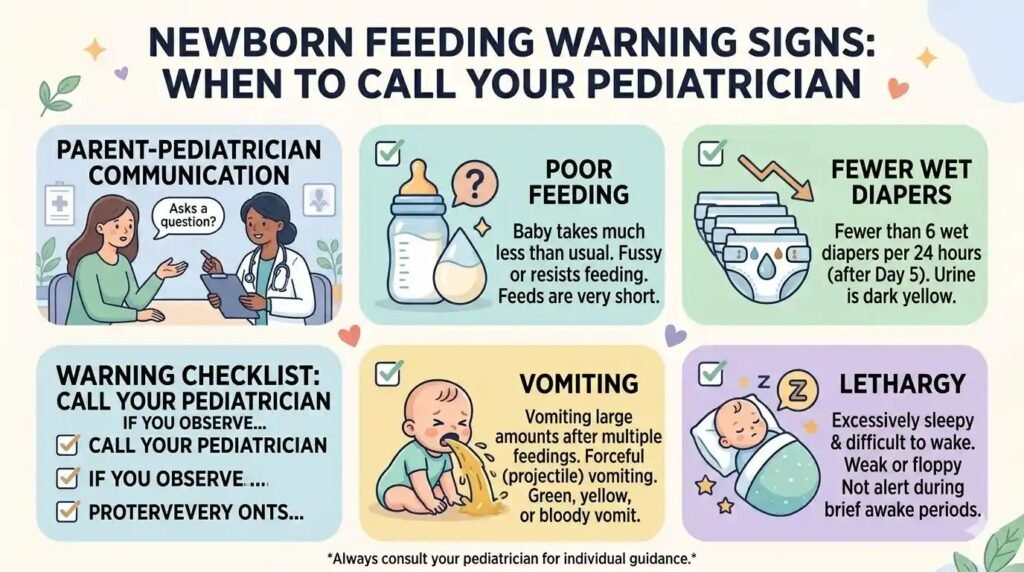
Most feeding variations fall within normal ranges. However, some situations require medical guidance.
Contact your pediatrician if your newborn:
- Refuses multiple feedings
- Shows poor weight gain
- Produces fewer wet diapers
- Vomits frequently
- Appears unusually lethargic
- Develops feeding difficulties
Trust your instincts. Parents often notice changes before anyone else does. If something feels off, seek professional advice. Nobody earns bonus parenting points for worrying silently.
Frequently Asked Questions About Newborn Formula Feeding
Can I Feed More Than the Chart Recommends?
Yes. Some babies need slightly more than average amounts. Follow hunger and fullness cues while monitoring growth.
Should I Wake My Newborn for Feedings?
Many pediatricians recommend waking newborns regularly until they establish healthy weight gain. Confirm specific recommendations with your healthcare provider.
What If My Baby Eats Less Than the Chart Suggests?
Many healthy babies consume less than average occasionally. Look at daily intake patterns rather than individual feedings.
How Often Should Newborns Eat?
Most newborns eat every 2 to 4 hours during the first few weeks.
Final Thoughts
A newborn formula feeding chart removes much of the uncertainty from feeding time. It provides realistic guidelines, helps parents understand age-based feeding amounts, and offers reassurance during those exhausting early weeks. Remember that charts provide averages, not strict rules. Your baby may eat slightly more or slightly less, and that’s perfectly normal.
The most important things to watch include hunger cues, fullness signals, diaper output, and healthy weight gain. Combine those signs with a reliable feeding chart, and you’ll spend far less time guessing. Parenting already comes with enough mysteries. The number of ounces in your baby’s next bottle doesn’t need to become one of them 🙂