Keeping little ones happily engaged can feel like a full-time job. One minute they’re fascinated by a spoon, and the next they’re crawling toward something they definitely shouldn’t touch. That’s where sensory tables become a lifesaver. With just a few simple materials, you can create inviting play experiences that spark curiosity, encourage learning, and buy you a few precious moments to sip your coffee while it’s still warm.
As a pediatric professional, I love sensory activities because they support development through hands-on exploration. As a parent or caregiver, you’ll love them because they’re flexible, affordable, and surprisingly entertaining. Best of all, sensory tables grow with your child, turning everyday items into exciting discoveries that engage little hands, busy minds, and growing imaginations.
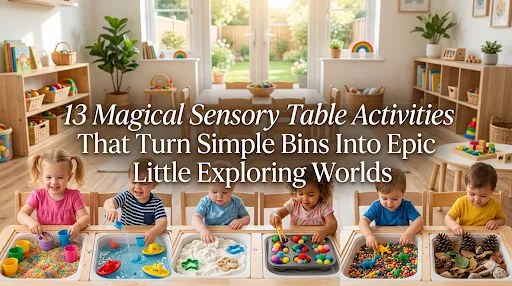
13 Magical Sensory Table Activities
1. Rainbow Rice Treasure Hunt
Materials Needed:
- Colored rice
- Large plastic bin
- Measuring cups
- Small toys or treasures
Step-by-Step Instructions:
- Fill a shallow bin with colored rice.
- Hide small toys throughout the rice.
- Provide scoops, spoons, and cups.
- Encourage children to search for hidden treasures.
- Sort discovered items into containers.
What They Are Learning:
- Fine motor skills
- Hand-eye coordination
- Color recognition
- Problem-solving
- Sensory processing
Safety Note: Ensure all hidden objects are larger than a child’s mouth to prevent choking.
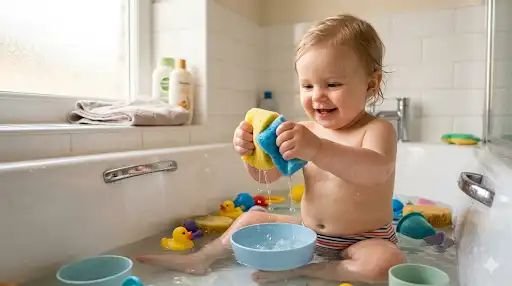
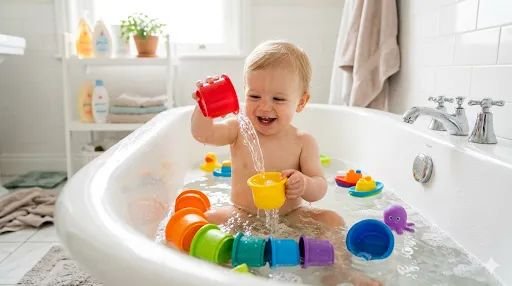
2. Ocean Adventure Water Bin
Materials Needed:
- Large sensory bin
- Water
- Plastic sea animals
- Cups and funnels
- Small boats
Step-by-Step Instructions:
- Fill the bin with a few inches of water.
- Add sea creatures and floating toys.
- Introduce cups and funnels for pouring.
- Encourage storytelling about underwater adventures.
- Let children transfer water between containers.
What They Are Learning:
- Cause and effect
- Language development
- Early science concepts
- Coordination skills
Expect plenty of splashing. Keep towels nearby and embrace the fun.
3. Cloud Dough Construction Zone

Materials Needed:
- 8 cups flour
- 1 cup vegetable oil
- Toy trucks
- Small containers
Step-by-Step Instructions:
- Mix flour and oil until crumbly.
- Place mixture in a large bin.
- Add construction vehicles.
- Encourage digging, scooping, and building.
- Create roads and tunnels together.
What They Are Learning:
- Creative thinking
- Hand strength
- Sensory exploration
- Imaginative play
4. Nature Discovery Table
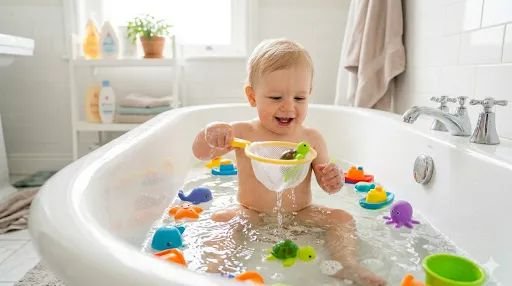
Materials Needed:
- Leaves
- Pinecones
- Sticks
- Smooth rocks
- Magnifying glass
Step-by-Step Instructions:
- Collect nature items during a walk.
- Arrange them in a sensory table.
- Encourage touching and comparing textures.
- Use magnifying glasses for closer inspection.
- Discuss colors, shapes, and sizes.
What They Are Learning:
- Observation skills
- Vocabulary growth
- Scientific thinking
- Appreciation of nature
5. Frozen Toy Rescue Mission
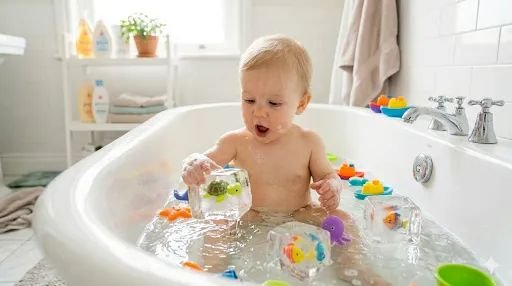
Materials Needed:
- Ice blocks
- Small plastic toys
- Warm water
- Spray bottles
Step-by-Step Instructions:
- Freeze toys inside containers of water overnight.
- Remove ice blocks and place them in the sensory table.
- Provide spray bottles filled with warm water.
- Encourage children to free the trapped toys.
- Observe how ice changes as it melts.
What They Are Learning:
- Science concepts
- Patience
- Problem-solving
- Fine motor development
6. Pom-Pom Transfer Challenge
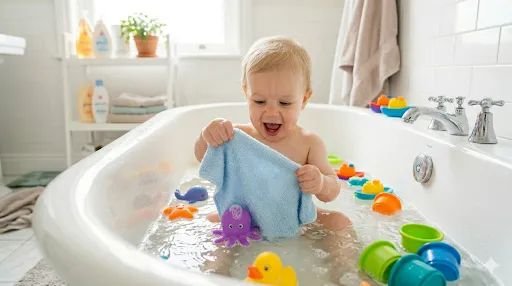
Materials Needed:
- Large pom-poms
- Tongs
- Muffin tin
- Bowls
Step-by-Step Instructions:
- Place pom-poms in one bowl.
- Set empty muffin tins nearby.
- Demonstrate picking up pom-poms with tongs.
- Encourage transferring them into each section.
- Sort by color if appropriate.
What They Are Learning:
- Grip strength
- Precision control
- Color sorting
- Concentration
Safety Note: Supervise closely. Pom-poms can be choking hazards for younger children.
7. Farmyard Sensory Scene
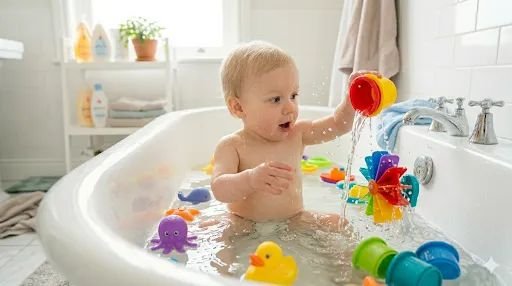
Materials Needed:
- Dry oats
- Toy farm animals
- Small containers
- Toy tractor
Step-by-Step Instructions:
- Pour oats into the sensory table.
- Add farm animals and equipment.
- Create feeding stations.
- Encourage pretend farm play.
- Talk about animal sounds and habitats.
What They Are Learning:
- Language development
- Imagination
- Social skills
- Knowledge of animals
8. Bubble Foam Exploration
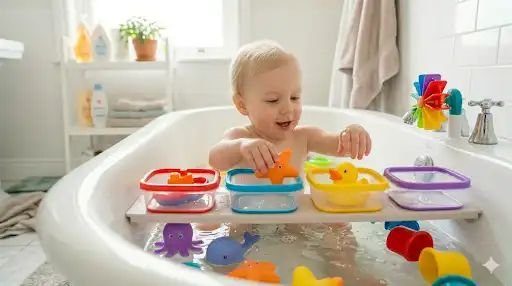
Materials Needed:
- Tear-free soap
- Water
- Hand mixer
- Plastic cups
Step-by-Step Instructions:
- Mix soap and water.
- Whip until fluffy foam forms.
- Add foam to the sensory table.
- Provide cups and scoops.
- Encourage squeezing and transferring.
What They Are Learning:
- Sensory awareness
- Motor planning
- Cause and effect
- Creativity
Expect some delighted squeals and plenty of foam-covered fingers.
9. Pasta Color Sorting Station
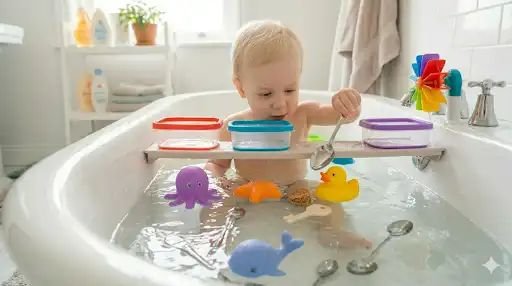
Materials Needed:
- Dyed pasta
- Small bowls
- Scoops
- Tweezers
Step-by-Step Instructions:
- Place mixed colored pasta in a bin.
- Set out sorting containers.
- Demonstrate sorting by color.
- Encourage using scoops or tweezers.
- Count pieces together as they sort.
What They Are Learning:
- Math readiness
- Color recognition
- Fine motor skills
- Focus and attention
10. Dinosaur Dig Site
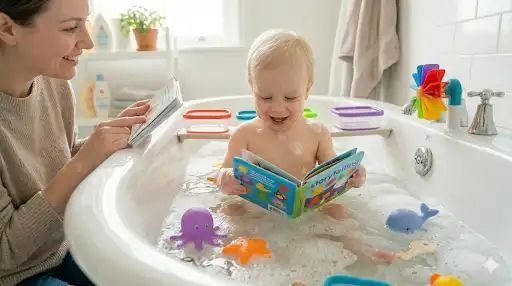
Materials Needed:
- Sand
- Toy dinosaurs
- Paintbrushes
- Small shovels
Step-by-Step Instructions:
- Bury dinosaurs in sand.
- Provide excavation tools.
- Encourage careful digging.
- Brush away sand to reveal discoveries.
- Create stories about the dinosaurs found.
What They Are Learning:
- Patience
- Problem-solving
- Imaginative play
- Fine motor control
11. Cotton Ball Snow World
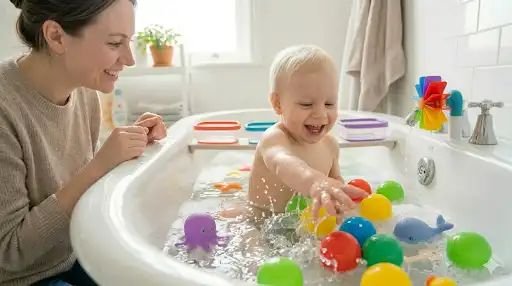
Materials Needed:
- Cotton balls
- Small winter animal figures
- Cups
- Scoops
Step-by-Step Instructions:
- Fill the sensory table with cotton balls.
- Add winter-themed toys.
- Encourage scooping and building snow piles.
- Create snowy landscapes together.
- Pretend animals are exploring the snow.
What They Are Learning:
- Pretend play
- Texture exploration
- Hand coordination
- Storytelling skills
Expect some cotton balls to escape the bin. They always do!
12. Citrus Slice Water Play

Materials Needed:
- Orange and lemon slices
- Water
- Cups
- Strainers
Step-by-Step Instructions:
- Fill a bin with water.
- Add floating citrus slices.
- Encourage scooping and pouring.
- Smell and discuss the different fruits.
- Compare which slices float best.
What They Are Learning:
- Sensory awareness
- Early science concepts
- Vocabulary development
- Observation skills
13. Colorful Bean Scoop Station
Materials Needed:
- Large dried beans
- Measuring cups
- Funnels
- Containers
Step-by-Step Instructions:
- Fill the bin with large dried beans.
- Add funnels and containers.
- Demonstrate pouring and scooping.
- Encourage filling and emptying containers.
- Listen together to the sounds the beans make.
What They Are Learning:
- Hand-eye coordination
- Cause and effect
- Concentration
- Early math concepts
Safety Note: Dried beans should only be used with children who no longer mouth objects and under close supervision.
Frequently Asked Questions
What age is appropriate for sensory table activities?
Most sensory table activities can be adapted for children from about 12 months through preschool age. Always choose materials that are safe for your child’s developmental stage and supervise closely.
How long should sensory play last?
Many toddlers stay engaged for 10–30 minutes, while preschoolers may play longer. Follow your child’s interest level rather than a strict time limit.
Are sensory tables messy?
Yes, some activities can be messy, but placing a mat under the table and setting clear boundaries helps keep cleanup manageable.
What developmental benefits does sensory play provide?
Sensory play supports fine motor development, language skills, problem-solving, creativity, focus, hand-eye coordination, and early science and math learning.
Small Moments, Big Learning
Sensory play doesn’t need expensive toys or elaborate setups. Some of the most memorable learning experiences happen with a simple bin, a handful of household items, and a curious child. Start small, follow your child’s interests, and don’t worry about perfection. A little mess is often a sign that meaningful learning is happening. Those moments of scooping, pouring, squishing, and discovering are building skills that support growth for years to come.